
Pectus Conditions
What is a pectus condition?
Pectus conditions affect the shape and structure of the chest wall: the bone and cartilage which sit on top of the heart and lungs. In patients with pectus conditions, the ribs and sternum are deformed or misshapen, which can cause physiological and psychological symptoms. The extent to which the sternum is misshapen can range in severity from mild to very severe.
Pectus conditions are common. Around 1 in 400 people has a misshapen chest; you might notice that some of the world’s top performing athletes, actors and models have a pectus condition. For patients with a mild deformity, conservative (non-surgical) treatment methods can be used to correct or vastly improve the appearance of the chest and any potential physical symptoms. Patients with a more severe deformity can experience symptoms which pose a risk to their physical health and wellbeing. This can make non-surgical treatments less effective and mean that surgery is the only option to correct the shape of the sternum.
What causes a pectus condition?
Pectus deformities occur due to the abnormal growth of the cartilage that connects the ribs to the sternum. Typically, children present with a pectus deformity during childhood or puberty, when the body is undergoing a significant amount of growth. However, pectus deformities can present in newborn babies or begin in adulthood once puberty has ended.
Pectus conditions appear to occur more often in males than females. Whilst there is no clear data on this, it is believed that boys make up a 7:1 ratio of patients.
There is no known cause or specific genetic marker that determines whether someone will develop a pectus deformity. They can occur completely on their own, but may present as part of a wider genetic condition, musculoskeletal or connective-tissue disorder.
Types of Pectus Deformity
Pectus Excavatum (PE)
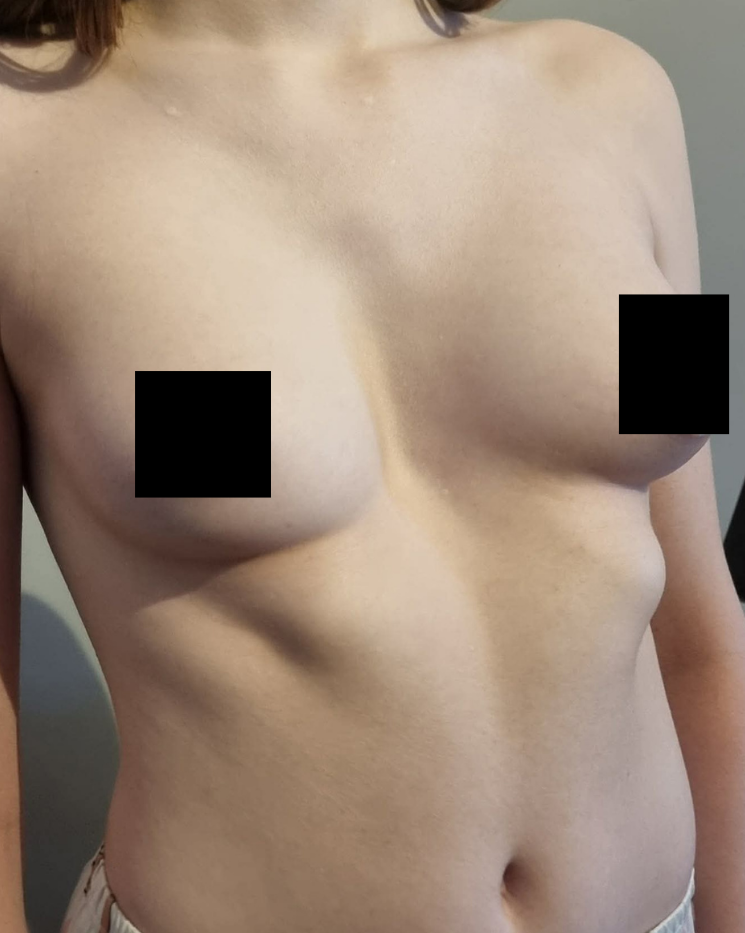
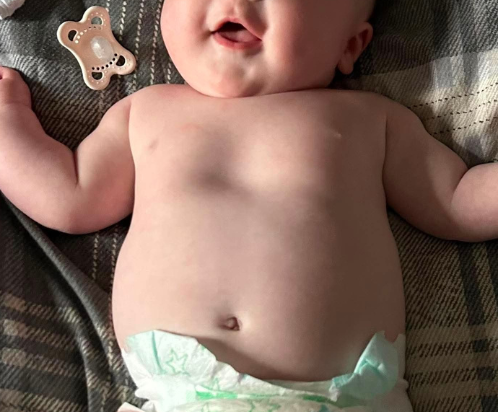
In Pectus Excavatum the sternum is sunken into the chest, depressed back towards the spine. Typically the dip occurs in the centre of the chest, but may be asymmetrical in appearance: dipping more on one side than the other.
Previously referred to as “funnel chest”, Pectus Excavatum is the most common pectus deformity. Most cases will be mild and not require any treatment; but for patients experiencing symptoms, PE can be treated using a vacuum bell (during childhood) or with surgery.
For patients looking for a purely cosmetic fix, implants can be used to change the appearance of the chest without altering the shape of the sternum. This can help patients without physiological symptoms to address their concerns about the appearance of their chest, without the need to undergo major cardiothoracic surgery.
-
There are a number of physiological symptoms associated with Pectus Excavatum. These symptoms are very variable. In most cases, especially when a deformity is mild, patients won’t experience any physiological symptoms. However, there are patients who experience more serious symptoms as a result of the sternum compressing major organs and blood vessels, particularly the heart and lungs. These symptoms can include:
Poor exercise tolerance
Shortness of breath or breathlessness
Wheezing, frequent coughing, tightness in the chest (asthma-like symptoms)
Fatigue
Dizziness
Chest pain
Palpitations
Fainting
Recurring respiratory infections
Tachycardia (rapid heart rate)
Dysphagia (difficulty swallowing causing nausea, indigestion, reduced food intake, and inability to gain weight)
-
Having a pectus condition can have a profound effect on a person’s mental health. Symptoms range in severity and can result in behaviours such as withdrawal from social situations or specific activities (i.e. swimming or clothes shopping). These effects can be especially profound in teenagers and young people as they enter puberty and continue to mature. Specific psychological symptoms that we know people with pectus conditions experience are:
Low self esteem
Body dysmorphia
Poor confidence
Anxiety
Depression


Pectus Carinatum (PC)
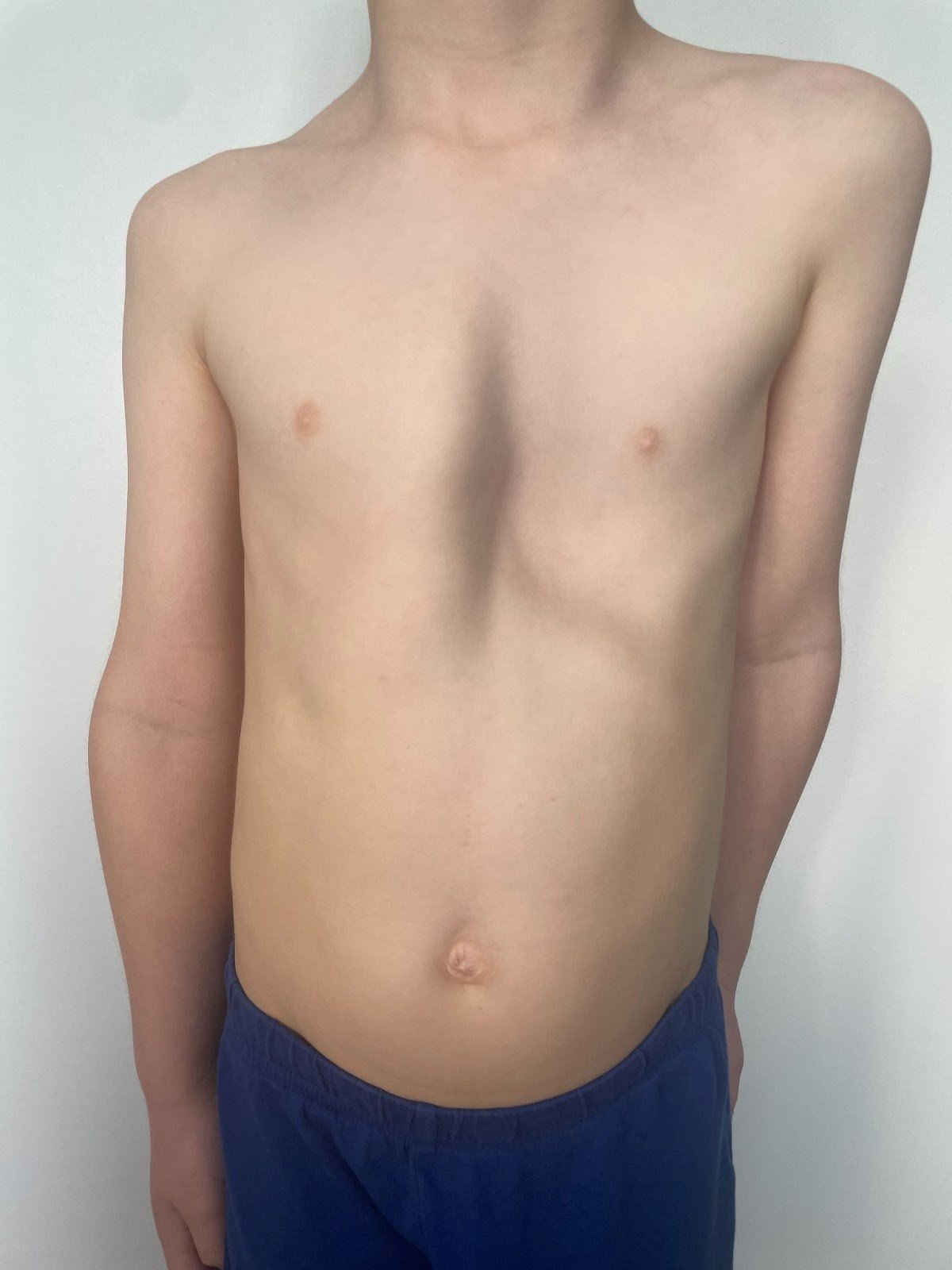
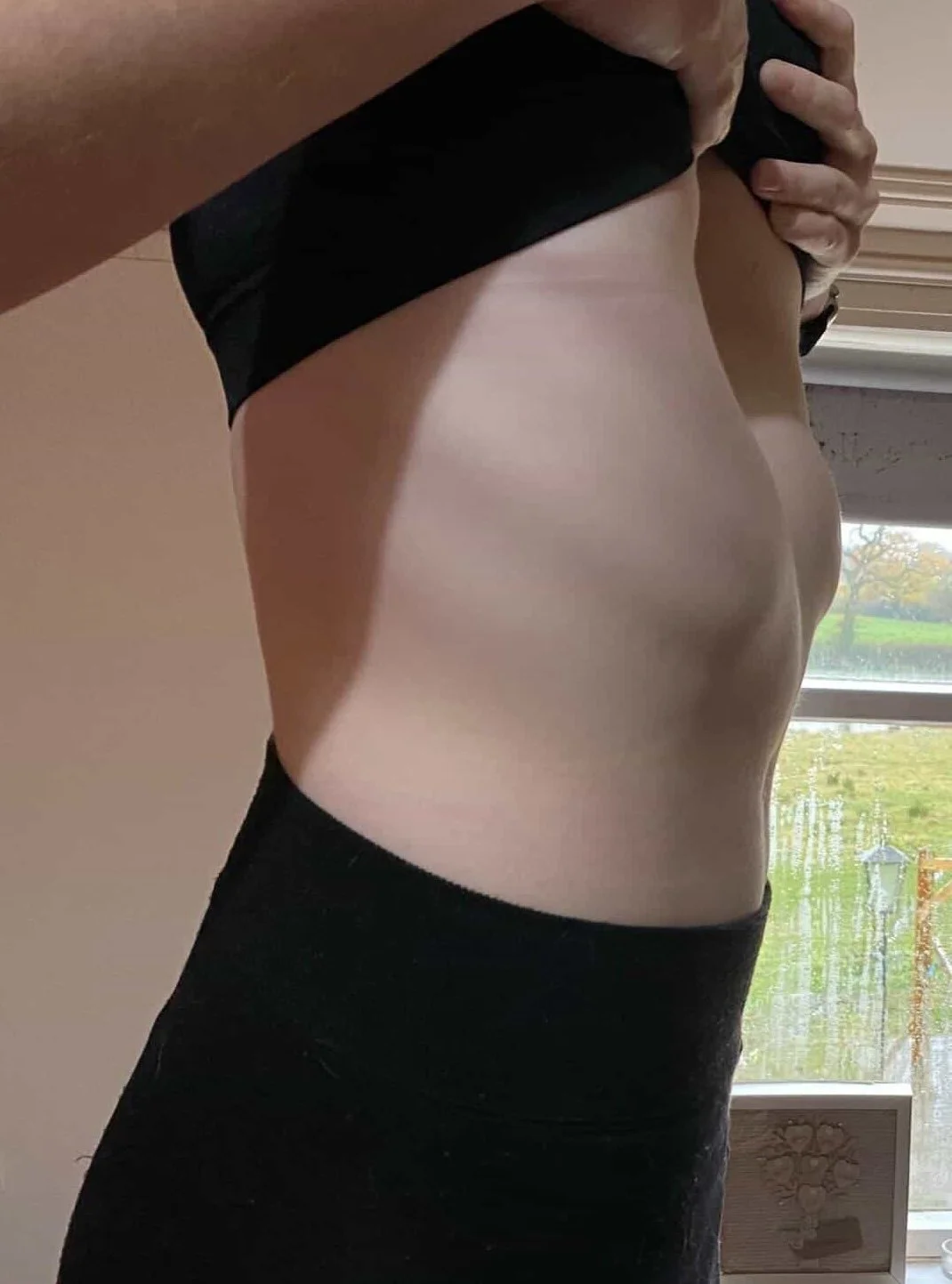
In Pectus Carinatum the chest protrudes forwards and appears to stick out. This can occur in the centre of the chest or be asymmetrical in appearance. Previously referred to as “pigeon chest”, Pectus Carinatum is less common than Pectus Excavatum.
Typically, Pectus Carinatum is corrected by using a chest brace. Because of how well PC responds to bracing, surgery is often not necessary, but is used in severe cases.
-
Physiological symptoms in patients with Pectus Carinatum are very variable and don’t often occur when the deformity is mild. However there are patients who report experiencing the following symptoms:
Chest pain and tenderness
Poor exercise tolerance
Breathlessness or “asthma-like” symptoms
Poor posture
-
Having a pectus condition can have a profound effect on a person’s mental health. Symptoms range in severity and can result in behaviours such as withdrawal from social situations or specific activities (i.e. swimming or clothes shopping). These effects can be especially profound in teenagers and young people as they enter puberty and continue to mature. Specific psychological symptoms that we know people with pectus conditions experience are:
Low self esteem
Body dysmorphia
Poor confidence
Anxiety
Depression

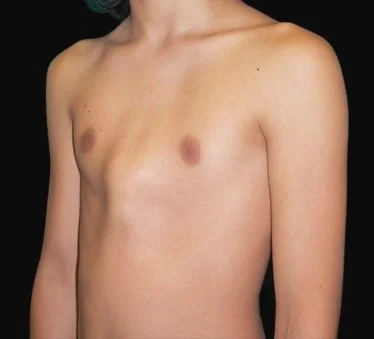
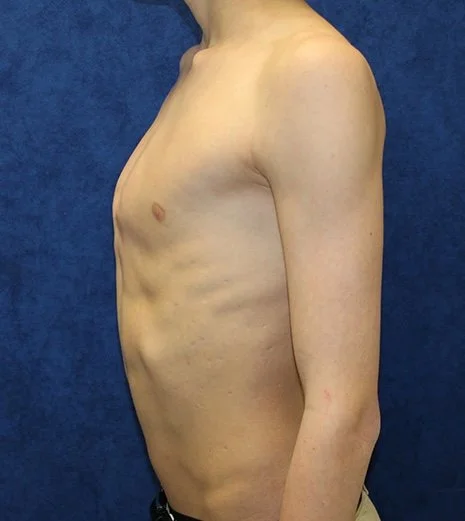
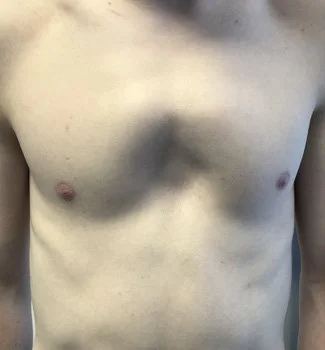
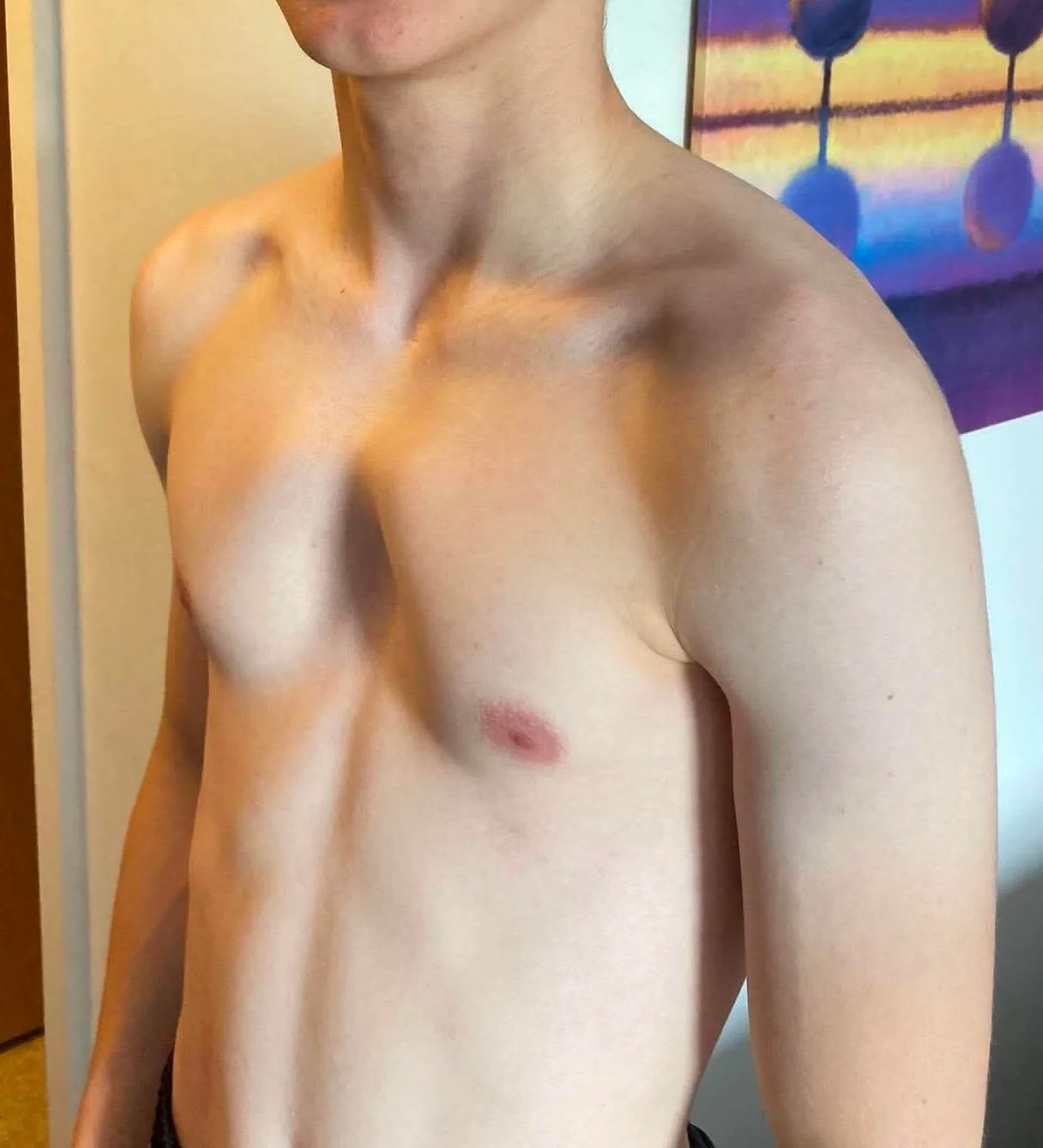
Pectus Arcuatum or mixed
Pectus Arcuatum is a rare pectus deformity. It is sometimes known as “horseshoe pectus” due to the horseshoe shape of the anterior chest wall seen when looking at patients head-on. Others consider PA to be a mixture of Pectus Excavatum and Pectus Carinatum, as the costal cartilage and upper sternum are raised, whilst the lower sternum is concave.
Even rarer than Pectus Arcuatum are mixed varieties of pectus deformity. A mixed deformity may have characteristics of PE and PC, including rib flare and asymmetry. This can give the chest the appearance of being twisted.
Treatment of Pectus Arcuatum or a mixed deformity is complicated. Treatment options will often be varied and might include elements of bracing for areas of the chest that protrude, and vacuum bell therapy or pectus surgery for areas of the chest that have sunken in.
For patients looking for a purely cosmetic fix, implants can be used to change the appearance of the chest without altering the shape of the sternum. This can help patients without physiological symptoms to address their concerns about the appearance of their chest, without the need to undergo major cardiothoracic surgery.
-
Physiological Symptoms
Patients with Pectus Arcuatum or a mixed deformity often complain of symptoms similar to Pectus Excavatum. These include:
Poor exercise tolerance
Shortness of breath or breathlessness
Wheezing, frequent coughing, tightness in the chest (asthma-like symptoms)
Fatigue
Dizziness
Chest pain
Palpitations
Fainting
Recurring respiratory infections
Tachycardia (rapid heart rate)
Dysphagia (difficulty swallowing causing nausea, indigestion, reduced food intake, and inability to gain weight)
-
Having a pectus condition can have a profound effect on a person’s mental health. Symptoms range in severity and can result in behaviours such as withdrawal from social situations or specific activities (i.e. swimming or clothes shopping). These effects can be especially profound in teenagers and young people as they enter puberty and continue to mature. Specific psychological symptoms that we know people with pectus conditions experience are:
Low self esteem
Body dysmorphia
Poor confidence
Anxiety
Depression
If you’re looking for further support with any of these associated conditions, why not visit some of these UK charities?




Associated conditions
Patients with congenital connective tissue disorders and musculoskeletal conditions are at a greater risk of developing a pectus conditions due to the way they interact with the development of bone and cartilage. Some of these conditions include:
Ehlers Danlos Syndrome
Marfan Syndrome
Noonan Syndrome
Osteogenesis Imperfecta
Poland Syndrome
It’s also common for patients with pectus conditions to also have:
Scoliosis/kyphoscoliosis
Hypermobility spectrum disorder
Recently, there has been a lot of public discussion about the overlapping between hypermobility spectrum disorders and ADHD. This overlap is something we see commonly in our patient enquiries and whilst there is no research to suggest a link between ADHD or autism and pectus conditions, we are acutely aware that many of the pectus patients we support are neurodiverse.
If you believe that you or your child has characteristics typical of these conditions, we would advise talking to your GP to ask for further testing.